


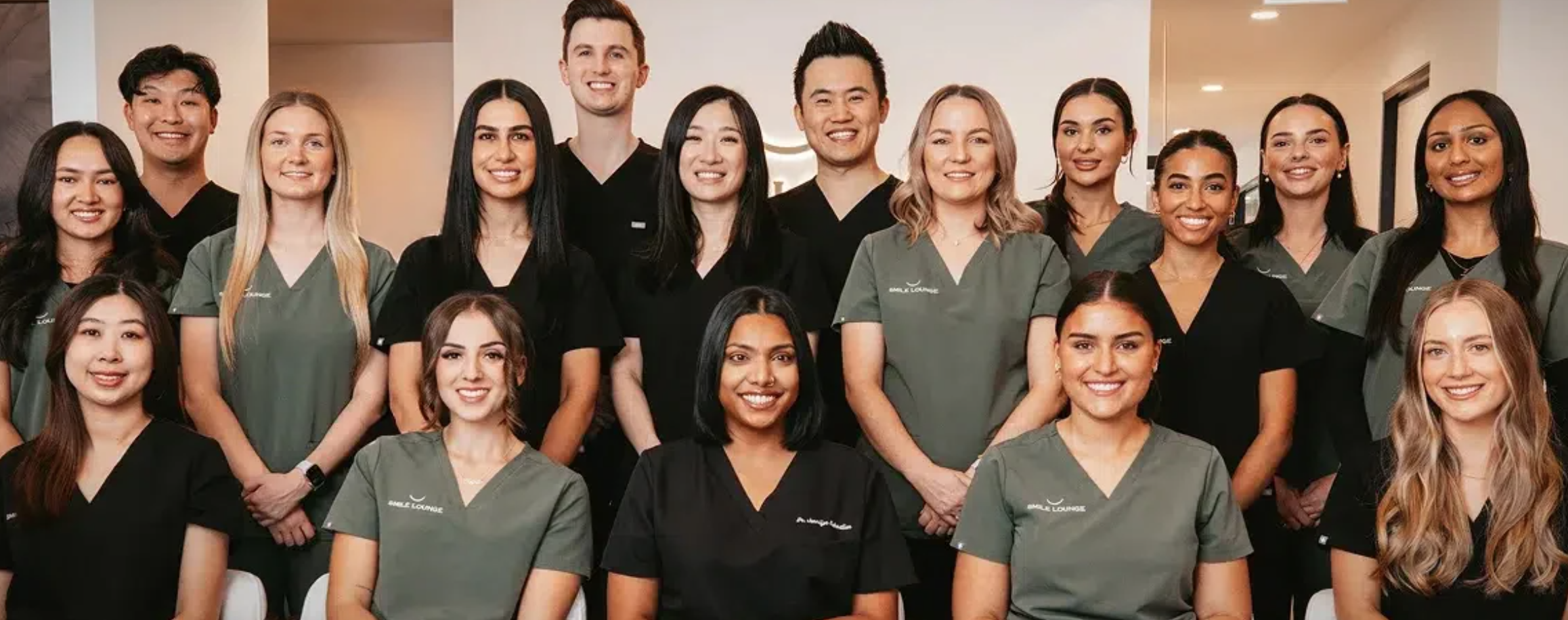
If you’ve been scrolling TikTok or seeing glossy Instagram before-and-afters of “dental holiday” packages (cheap implants in an exotic location, porcelain veneers plus sightseeing), it’s easy to be tempted. The price tag looks irresistible and the travel package sparkles. But when it comes to your mouth — the gateway to your overall health, the site of nerves, sinuses and jawbone — a bargain that looks too good to be true often is. This article explains, in plain English, why visiting a trusted local dentist in Narre Warren is usually the safer, smarter choice than booking a risky dental tourism vacation. I’ll cover the real risks associated with going overseas for dental work, the advantages of staying local, typical hidden costs and complications people discover only after they get home — and practical steps you can take if you’re weighing options.
What people mean by “dental tourism” — and why it’s so attractive
“Dental tourism” or an “overseas dental holiday” usually means travelling to another country to have dental work done — often expensive procedures such as implants, full-mouth rehabilitation, crowns, veneers or multiple extractions — while combining treatment with travel. The main attractions are:
Lower upfront price for major procedures in countries where labour and overheads are cheaper.
Shorter wait times than what some patients perceive they’d face at home.
The chance to combine treatment with a holiday, sightseeing and recovery on the beach.
Those benefits are real, which is why dental tourism is growing. But the choice should never be based on price alone, because the tradeoffs — loss of continuity of care, poor documentation, unknown materials and infection risk — are serious and sometimes irreversible. Multiple Australian dental bodies and travel health agencies warn consumers to think twice before signing up.
The real risks of dental tourism (short and long term)
These are the risks people actually experience — not hypothetical concerns. They come from peer-reviewed studies, professional bodies and the clinical experience of dentists who manage complications when patients return home.
1. No reliable follow-up: the fundamental problem
Complex dental procedures almost always need follow-up. Implants require months of healing and adjustments; crowns or veneers may need remakes or occlusion (bite) adjustments; surgical sites need monitoring for infection. When your dentist is on the other side of the world, follow-up becomes fragmented or impossible. If complications appear after you return home, local clinicians often have to fix problems without full records or knowledge of what materials or techniques were used — and they may be reluctant to accept responsibility for someone else’s work. This continuity gap is consistently highlighted by dental associations and clinical reviews.
2. Infection control and sterilisation standards vary
Not every clinic follows the same infection-control standards as Australian practices. Even if a clinic looks modern and tidy, hidden lapses in sterilisation, instrument reprocessing, or lab practices can raise infection risks. In the worst cases, poor infection control causes severe wound infections or implant failures that require extensive corrective surgery. Professional warnings and case reports repeatedly flag infections and poorly integrated implants as common complications after overseas dental treatment.
3. Unknown materials and unregulated components
Dental restorations rely on materials — implants, crowns, veneers, cements and adhesives — that must meet strict safety and performance criteria. Some countries permit materials or lab practices that are not allowed here. When components of unknown origin are used, there’s a risk of allergic reaction, premature failure, or toxic impurities. Tracking down what was used is often impossible if records are incomplete or nonexistent. Australian dental policy statements explicitly caution against treatment where material provenance and regulation are uncertain.
4. Hidden financial and time costs after you get home
What begins as a cheap “deal” can become very expensive. If you need repairs, corrective surgery or treatment for infection after returning to Australia, those costs can exceed what you initially saved — and travel insurance often won’t cover elective dental procedures or complications from them. You’ll also lose time: extra appointments, more time off work, and possibly another trip back to the country where the original treatment was done. Government travel advice and local dental clinics frequently report patients who underestimated these downstream costs.
5. Legal and regulatory limitations — little recourse if things go wrong
If you experience poor workmanship overseas, legal recourse is difficult, expensive and slow. Different legal systems, language barriers and the expense of international litigation mean that many patients have no practical way to hold the clinic accountable. This is why professional associations warn consumers: complaints and remediation are far easier when treatment occurs under local regulations and professional oversight.
Why a local Narre Warren dentist is usually the better option
Now let’s look at the other side — the practical, clinical and financial reasons to choose a trusted local dentist. Eg a local example would be a dentist Narre Warren locals trust.
1. Continuity of care and clear, accessible records
Your local dentist will examine your teeth, plan treatment with X-rays and photos, discuss alternatives and keep comprehensive records. If anything needs tweaking, they’re available for follow-up appointments and adjustments. Ongoing care — for children, for chronic dental conditions, for implant maintenance — relies on a relationship between you and your dental team. That relationship is absent with dental tourism.
2. Local clinical governance and accountability
Narre Warren dentists are registered with the Australian Health Practitioner Regulation Agency (AHPRA) and are required to meet specific standards of practice, infection control and continuing professional development. If a problem does occur, there is a local regulatory framework, complaints pathways and professional indemnity arrangements that give you options for resolution. That legal and regulatory safety net simply doesn’t exist in the same way when you go overseas.
3. Emergency access and integration with local medical services
If a complication requires urgent care — a spreading infection, nerve involvement, or an adverse reaction — having your dentist nearby matters. Narre Warren is linked to local hospitals and emergency services; a local clinician can coordinate care, prescribe appropriate antibiotics or refer you to a specialist. Conversely, after an overseas procedure you might find Australian emergency departments or GPs unfamiliar with the materials used or unwilling to perform complex rework without adequate documentation. Smartraveller and health authorities highlight the difficulty of managing medical complications incurred overseas.
4. Transparent pricing and realistic expectations
A reputable local dentist will explain the full cost of treatment (including follow-ups, temporary appliances, labs fees and possible complications) and present alternatives. Many people who go overseas are sold a “package” that omits realistic contingencies such as the need for remakes, repairs, or extra sedation. That can make the overseas price look artificially low. We here at Lyceum are always on the hunt for bargains. Local practices often offer payment plans, itemised quotes and the opportunity to get a second opinion before committing — all important consumer protections.
5. Infection control you can inspect and verify
Australian dental clinics are bound by strict infection-control standards (instrument sterilisation, single-use items, clinic cleaning regimes). When you visit a local practice you can ask about sterilisation protocols, see their registration and clinic accreditations and observe their hygiene procedures. That transparency reduces the risk of avoidable infections.
Common dental tourism complications — real stories, real costs
Dental practices and specialist clinics in Australia frequently treat patients who return with problems after overseas dental work. Some of the common scenarios include:
Poorly fitted crowns or veneers that cause bite problems, tooth wear or jaw pain. These often require complete remakes.
Failed implants that integrate poorly and become loose or infected, sometimes requiring removal and bone grafting.
Undiagnosed underlying disease that was masked or worsened by rushed treatment (e.g., untreated periodontal disease affecting implant success).
Infections requiring prolonged antibiotic therapy, incision and drainage, or hospitalization in severe cases.
Incomplete documentation, meaning local clinicians must make decisions blind — and sometimes decline to take over care because the previous work is substandard or unsafe.
Clinics that specialise in repairing overseas work report many cases where the initial “savings” were overwhelmed by the cost of corrective treatment. That’s not rare — it’s common enough that the Australian Dental Association, specialist prosthodontists and public health pages include warnings for people considering dental tourism.
When might overseas dental treatment make sense? (A cautionary note)
The above isn’t meant to paint all overseas dental care as uniformly bad. High-quality dental clinics do exist overseas, and some patients choose to travel because a required procedure is genuinely unavailable or unaffordable locally. If you are seriously considering overseas treatment, do not proceed without:
A local second opinion — get an assessment and cost estimate from your Narre Warren dentist first.
Comprehensive documentation — insist on full treatment records, implant batch numbers, radiographs and lab correspondences.
Verified credentials — check the overseas clinician’s qualifications, membership of recognised dental associations, and clinic accreditation.
Post-treatment plan — ensure the overseas clinic provides a clear follow-up schedule and will communicate with your Australian dentist.
Insurance clarity — confirm whether your travel insurance covers complications and whether Medicare or private health will cover any subsequent corrective treatment on return. Many policies exclude elective dental work.
Even if you tick those boxes, remember that legal and practical barriers to recourse remain.
Practical checklist: how to choose a safe local dentist in Narre Warren
If you decide staying local is the best call (and for most people it is), here’s a short checklist to help choose the right Narre Warren clinician:
Look for registration and local credentials. Confirm AHPRA registration and membership of the Australian Dental Association.
Ask about experience with the specific treatment (implants, full-mouth rehab, complex root canals). Request before/after photos and references.
Clarify costs up front and ask what is included (temporary restorations, lab fees, follow-ups).
Ask about sterilisation and cross-infection procedures. A reputable practice will explain instrument reprocessing, single-use items and clinic cleaning.
Check emergency availability. Can you see someone the same week if a problem arises? Does the practice work with local specialists and hospitals?
Read reviews and check local word of mouth. Community reputation matters for practical issues like punctuality, aftercare and communication.
Choosing a dentist is a bit like choosing a mechanic for your car: skills, warranty, easy access for follow-up and a local track record matter.
What to say to friends or family who suggest a dental holiday
If someone close to you is excited about an overseas dental package, here are three simple, non-confrontational talking points you can use:
“Have you checked whether there’s local aftercare if something goes wrong? That’s the part people underestimate.”
“Ask them for the exact implant or material brand and batch number — you’ll want that if you ever need repair or replacement.”
“Let’s get a local dentist’s estimate first so you can compare total costs, including likely follow-ups.”
These questions help shift the conversation from salesy marketing to practical safety and value.
Final thoughts — when saving money shouldn’t cost your health
The bottom line is straightforward: your mouth is not a commodity you should gamble with for a cheaper holiday deal. Dental treatments — especially large, irreversible procedures — carry risks that are magnified when the clinician isn’t available for follow-up, when materials aren’t regulated the way they are in Australia, and when legal recourse is limited. Professional bodies including the Australian Dental Association and travel health authorities explicitly warn consumers to weigh these risks carefully before travelling for dental care. If cost is the key issue, start by asking local Narre Warren dentists about staged treatment plans, alternative options and payment plans — many practices will work with you to make quality care affordable without the hidden risks.
If you’d like, I can now:
Draft a short, polite email you can send to a Narre Warren dentist asking for a detailed quote and aftercare plan; or
Create a printable comparison table you can use when evaluating an overseas quote (costs, follow-up plan, materials, accreditation, legal recourse); or
Help you find AHPRA registration details and patient reviews for local Narre Warren dentists so you can compare options confidently.
Selected sources and further reading
Australian Dental Association — Policy Statement 2.2.6: Elective Overseas Dental Treatment (ADA warns of risks of dental tourism).
Smartraveller (Australian Government) — Going overseas for a medical procedure / travel health (practical travel and medical advice).
Nature / Dental practice reviews — Dental tourism: issues with follow-up care and complications (analysis of rising dental tourism and clinical follow-up challenges).
Centre for Prosthodontics / specialist clinics — Management of complications after overseas dentistry (case examples and repair costs).
Royal Australasian College of Surgeons / Better Health Victoria — Medical tourism risks (legal and follow-up considerations).